
A successful small business website needs more than good design. These 7 essential tips cover the key elements that help a website build trust, improve visibility, and turn visitors into potential customers.
1. Make Your Message Clear
Visitors should understand what your business does within seconds.
A strong headline, a short explanation of your services, and a clear call to action can be more effective than filling the top of the page with too much information.
Your website should answer three simple questions: What do you offer? Who is it for? What should the visitor do next?
2. Design for Mobile First
Your website needs to work naturally across smartphones, tablets, and desktop screens.
Text should remain readable, navigation should be simple, buttons should be easy to tap, and forms should not become frustrating on smaller screens.
Responsive design is no longer an extra feature. It is part of building a professional website.
3. Keep Navigation Simple
Small business websites rarely need complicated menus.
Visitors should be able to quickly reach your main services, learn about your business, see examples of your work, and contact you.
Every important page should have a clear purpose instead of adding pages simply to make the website appear larger.
4. Show Real Work and Build Trust
People want evidence before contacting a business.
Real projects, testimonials, client experiences, photographs, and case studies can communicate credibility much better than generic marketing claims.
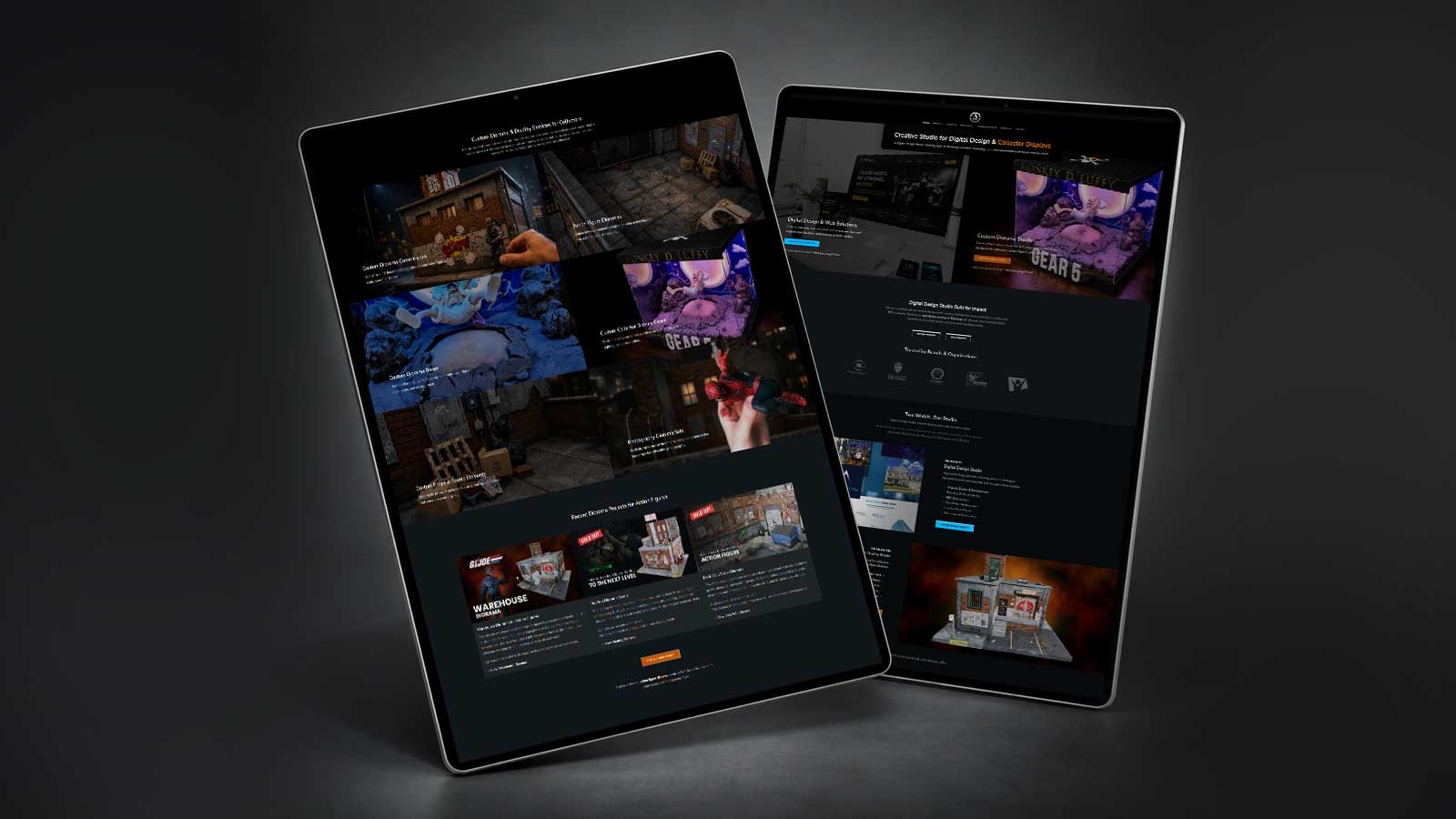
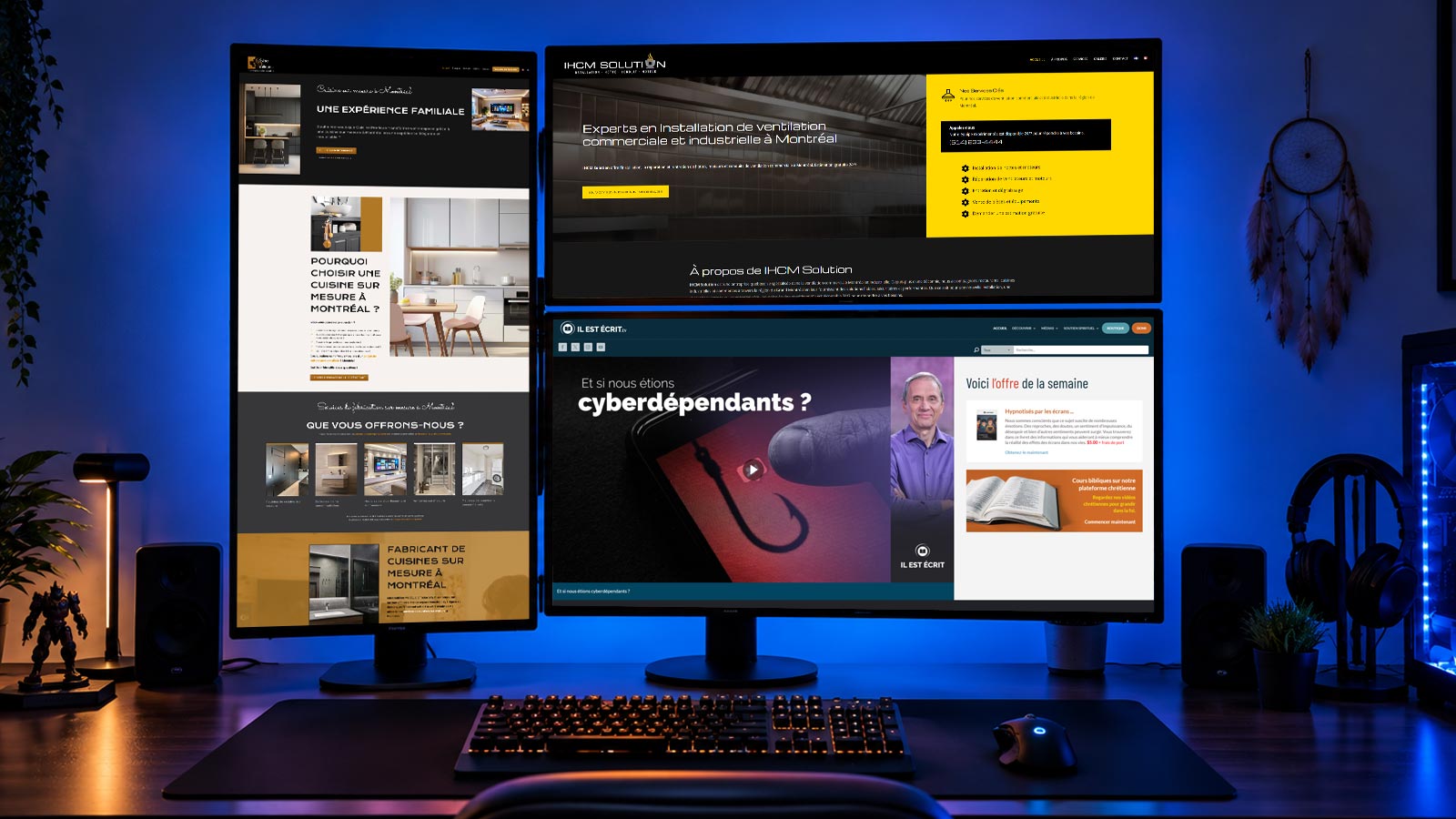
At Jocoin Studios, our web design portfolio shows real projects created for businesses and organizations with different goals and digital needs.
5. Build SEO Into the Website
SEO should not be something added only after a website is finished.
Page structure, headings, content, URLs, internal links, images, performance, and local relevance can all influence how search engines understand a business.
For companies serving specific Canadian cities or regions, the website should also clearly communicate where the business operates and which services it provides.
6. Pay Attention to Speed
A beautiful website loses value when visitors have to wait for it to load.
Large images, unnecessary scripts, excessive plugins, poor hosting, and complicated visual effects can all affect performance.
Good web design should balance visual quality, speed, and usability.
7. Give Visitors a Clear Next Step
Every business website should guide visitors toward an action.
That might be requesting a quote, calling the business, booking a consultation, completing a form, or exploring a service in more detail.
A good call to action should feel like the natural next step, not something added randomly at the bottom of a page.
What About Small Businesses in Canada?
Canadian businesses can have very different website needs depending on their market.
A local company may benefit from strong local SEO and service-area content, while a business serving customers across Canada may need a broader strategy. Businesses operating in markets such as Montreal or other parts of Quebec may also need to consider multilingual audiences.
The important part is building the website around the customers the business actually wants to reach.
Businesses targeting the Montreal market can also explore our Web Design Montreal services.
A Website Should Support Your Business
There is no single website structure that works for every small business.
The right combination of clear content, responsive design, trust, SEO, performance, and conversion depends on what the business is trying to accomplish.
The better question in 2026 is not simply:
“Does my business need a website?” but: “Is my website actually helping my business grow?”
If you are planning a new website or improving an existing one, explore our Custom Web Design Services and see how Jocoin Studios approaches websites around real business goals.
